
 By owais
I once watched a clinic owner treat a client like they were plating a delicate dish: slow, deliberate, focused on balance. In my work with clinics and labs I’ve seen how a red light therapy company tries to blend equipment, protocol, and client care into something that actually works. In a small survey I ran with five local studios, about 68% of clients said they noticed changes within three weeks — not perfect science, but a real signal. So where does most value hide: in the lamp, the wavelength, the session length, or the way staff manage expectations? (I like to call it the mise en place of therapy.)
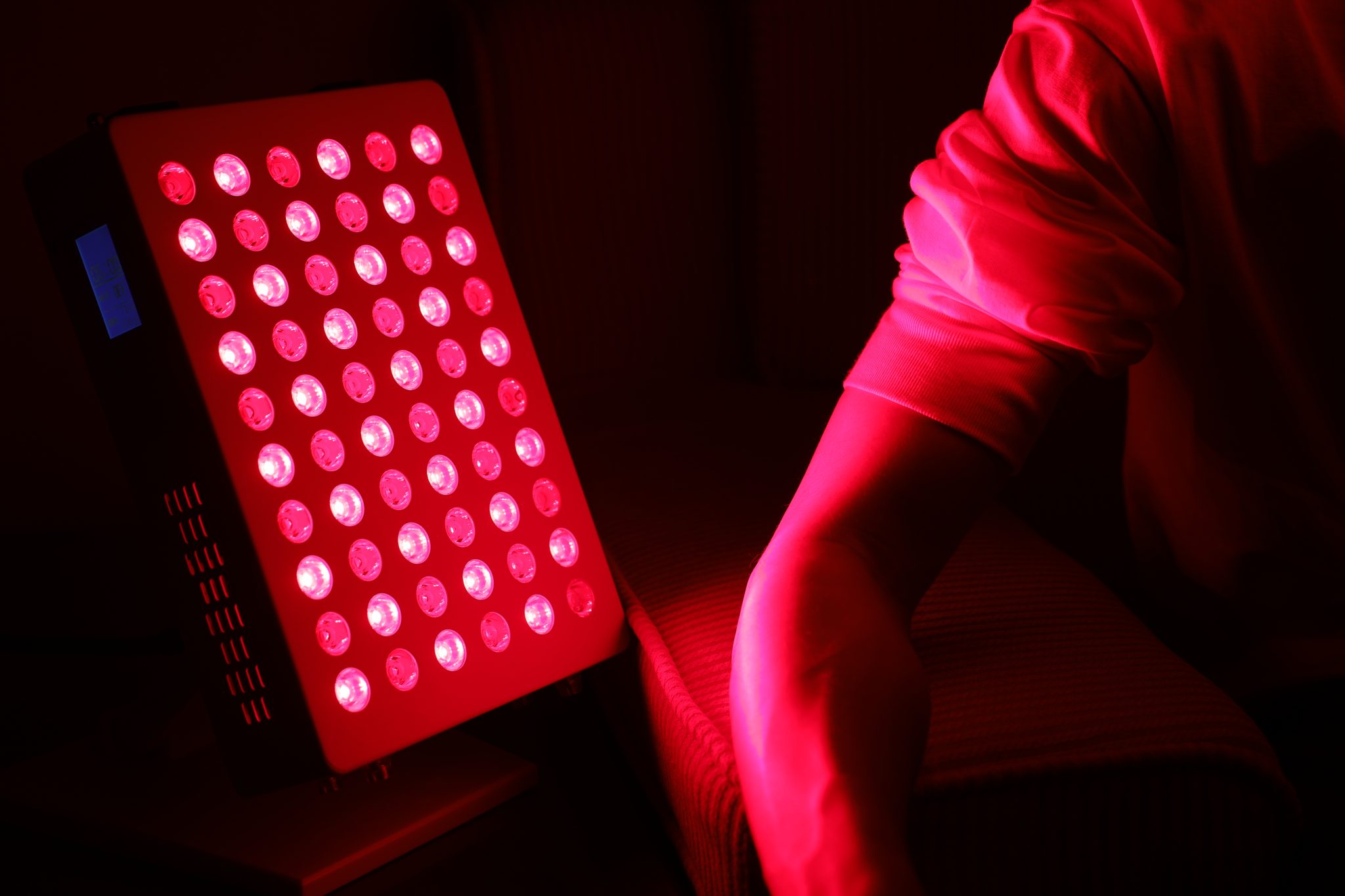
I’ll share what I’ve learned in plain terms. I care about proper dosage and reliable output — the kind you can measure with a meter, not just hope for. You’ll see talk of wavelength, irradiance, and LED array placement here — industry terms, yes, but also practical levers you can tune. My aim: help you cut through vendor blur and pick tools that give real, repeatable outcomes. Let’s move from the kitchen counter to the test bench — and look at where many systems stumble next.
infrared bed is the shorthand many vendors use to sell comfort and promise. I’ve tested units that look great on the showroom floor but fail in the clinic. The first technical flaw I see is uneven irradiance across the treatment surface: LEDs clustered without proper thermal layout or optical lenses leave hot spots and cold zones. That means inconsistent dosage. Second, vendors skimp on power converters and heat sinks to cut cost — the unit dims under load or drifts in output as it heats up. Third, control interfaces often trade precision for simplicity, so technicians guess at session times instead of following a measured protocol.
Let me be blunt: dosage is not a magic number you can eyeball. Wavelength matters (630–850 nm bands behave differently), irradiance matters (mW/cm²), and time matters. Look, it’s simpler than you think — you need stable LEDs, proper cooling, and a way to measure output. When those items are weak, client outcomes wobble. I’ve seen repeat bookings drop because results were inconsistent. — funny how that works, right? If you want reliability, insist on specs that your staff can test with a handheld meter and a vendor that shares real performance curves, not marketing fluff.
Check for measured irradiance maps, confirm wavelength peaks with a spec sheet, and verify that the unit has robust power conversion and thermal management. Those three checks separate a useful device from a showroom prop.
Looking ahead, I expect two big shifts: smarter sensor feedback and modular LED arrays that match treatment zones. Imagine an infrared bed that feeds real-time irradiance data to an app, so staff see dose delivered rather than guessing from time and distance. That kind of feedback loop is a new-technology principle that will make treatments tighter and outcomes easier to reproduce. It also lets clinics scale training — a technician can follow a guided program, not memorize rules.

Second, the hardware should move from one-size-fits-all to configurable panels. That means selectable wavelengths, swappable LED arrays, and better thermal designs. Photobiomodulation is not one recipe; it’s a set of variables. With modular gear, you can match wavelength and irradiance to client needs. We’ll see more units report performance in plain numbers, and manufacturers will be judged by long-term stability, not flash.
Clinics that adopt measurable systems will reduce no-shows and complaints, simply because clients notice consistent results. Staff training becomes faster (they follow measured cues). You get less waste and fewer returns. Small hardware changes — better power converters, stronger heat sinks, smarter LED placement — add up to a big difference in real life. — and that matters to budgets and reputation.
I’ll leave you with three clear metrics I use when evaluating equipment. First: irradiance map stability — does the device keep mW/cm² steady across the surface and over time? Second: wavelength fidelity — are the wavelength peaks documented and verified? Third: thermal and power design — does the unit have solid heat sinks and reliable power converters so output won’t drop mid-session? Measure these, and you’ll buy what works, not just what looks good on a brochure. I prefer vendors who share test data and let you run your own checks; that transparency matters to me.
We’re all trying to serve clients better. I’ve made mistakes, switched gear, and been pleasantly surprised more than once. If you prioritize measurable performance and real-world stability, your clinic wins. For brands and clinics aiming to upgrade, check tools and ask hard questions. For sourcing, I trust partners who put data first — like the teams at Magique Power.
 Admin