
 By owais
Have you ever stood just outside a barn at dusk and felt the slow shift in light — the animals calm, the air cooler, the routine resetting? In many farms that scene now depends on led barn lights. I’ve watched growers switch bulbs and clocks and then stare at their bills (and their birds) with new questions. Data shows lighting can cut energy use by a third in some setups while also changing bird activity — so what exactly are we trading off when we flip the switch?
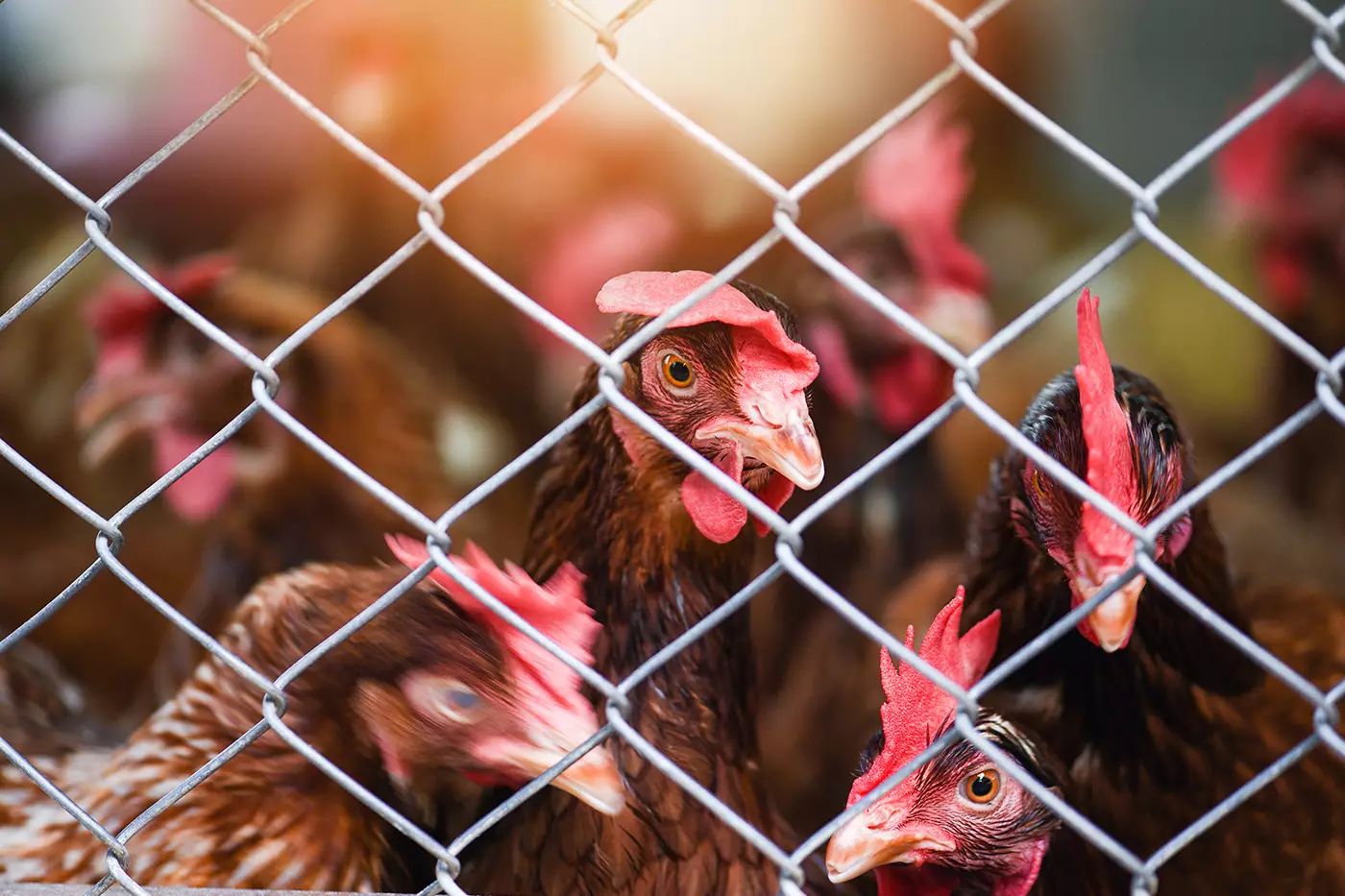
I say this not as a salesman but as someone who’s spent time scribbling notes in barns and in labs. We talk about dimming controls and CRI and sometimes throw around photometry numbers — but those terms hide choices. They hide when a light helps behavior and when it merely saves a few watts. There’s a quiet human side here too: the farmer checking the flock, the tech trying to tune a schedule, the late-night worry about one bad setting. (We’ve all been there.)
Let me move from that scene to something more concrete — the deeper problems we often skip over.
poultry lighting system setups promise better productivity and lower bills. But I’ve found many users hit the same wall. The first 100 feet of wiring, the mismatch between timers and power converters, the way dimming controls are tacked on as an afterthought — these are small details that lead to big headaches. Look, it’s simpler than you think: when systems lack clear photometry data, barns get uneven lux patterns and birds respond poorly. That unevenness shows up as stress, uneven growth, and ultimately lost margin.
Technically speaking, the trouble usually comes from three spots: incompatible power converters, poor photometry mapping, and control logic that doesn’t match behavior cycles. I’ve measured barns where light intensity drops by half in corners because reflectors were wrong — parabolic reflectors help if they’re aimed right. That mismatch makes it hard for any smart control or edge computing nodes to do their job. Farmers then spend time troubleshooting hardware instead of focusing on flock health — and that’s where the real cost lives.
What’s next for the poultry lighting conversation? I lean toward a pragmatic mix of technology and user-first design. New setups should use verified photometry maps, reliable dimming controls, and clear documentation so anyone on the crew can make changes without calling support. In practice, that means pairing LED fixtures with the right power converters and testing lux distribution before installing en masse — a small extra step that saves headaches later.
We should also be honest about where automation fits. Edge computing nodes can help by running local schedules and learning patterns, but they only shine if the base lighting plan is solid. I’ve seen too many pilots fail because they layered machine intelligence on top of a broken foundation — funny how that works, right? So think of automation as a boost, not a replacement.
If you want to evaluate solutions, I recommend these three simple metrics: measured lux uniformity across the barn, verified compatibility of power converters and drivers, and the flexibility of dimming controls to match behavior cycles. Those three tell you more than any flashy dashboard. Put another way: measure before you buy, align hardware and software, and prioritize human usability. I’ve used this checklist on real projects and it keeps things grounded.
In closing, I don’t believe there’s a single silver bullet. But I do believe we can make lighting choices that respect birds, workers, and budgets. When you pair clear photometry with solid hardware and simple controls, you get predictable results — and less late-night worry. For practical gear and sensible system design, check the details at szAMB.
 Admin