
 By Admin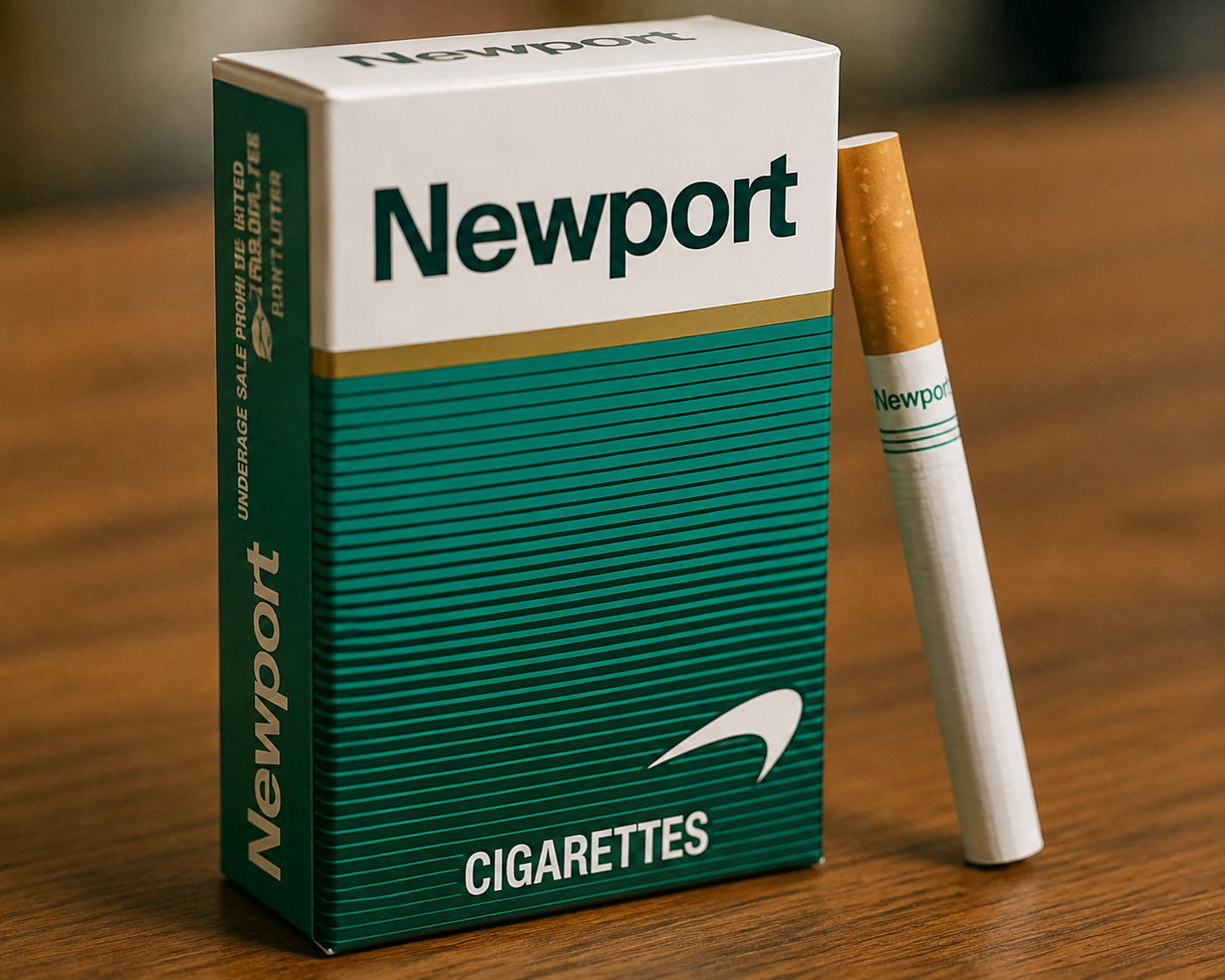
Newport is one of the best-known cigarette brands in the United States. The brand is particularly associated with menthol cigarettes and has played a significant role in the history of the American tobacco industry. Since its introduction in the 1950s, Newport has developed a strong brand identity and become a major name in the cigarette market. At the same time, Newport cigarettes, like other tobacco products, contain nicotine and are associated with serious health risks.
Understanding Newport requires looking beyond its packaging and advertising. The brand’s history includes changes in consumer preferences, tobacco marketing practices, regulations, and public attitudes toward smoking. Examining these factors provides a clearer picture of why Newport became so recognizable and why discussions about the brand today often focus on public health.
Newport cigarettes were introduced in the United States in 1957. The brand was originally developed by the Lorillard Tobacco Company, which later became part of the larger tobacco industry organization that is now associated with R.J. Reynolds. Newport initially entered a competitive cigarette market containing many established brands.
A major feature of Newport was its menthol flavor. Menthol creates a cooling sensation and can change the sensory experience of smoking. This characteristic became an important part of Newport’s identity and helped distinguish it from many non-menthol cigarette brands.
Over the decades, Newport developed from a relatively new cigarette brand into one of the most recognizable names in the American tobacco market. Its long history has made the brand an important subject for researchers studying tobacco marketing, consumer behavior, and public health.
Menthol is a compound that produces a cooling sensation in the mouth and throat. Newport became strongly associated with menthol cigarettes, making the term “Newport” closely connected with that category in the minds of many consumers.
The sensory characteristics of menthol have also attracted scientific and public-health attention. Research has examined whether menthol can make cigarette smoking feel less harsh and whether this may contribute to continued tobacco use. Nicotine dependence remains the central issue, because nicotine is the substance in tobacco that can lead to addiction.
It is important to distinguish brand identity from health effects. A smoother or cooler sensation does not make cigarette smoke safe. Cigarette smoking exposes the body to numerous harmful chemicals and is linked to conditions including cancer, heart disease, stroke, and respiratory disease.
Newport’s success was not based only on the physical characteristics of its cigarettes. Advertising and brand positioning also played major roles. Tobacco companies historically invested heavily in creating recognizable images around cigarette brands. Newport became associated with particular visual styles, slogans, and cultural imagery that helped make the product memorable.
Tobacco advertising has been extensively studied because marketing can influence perceptions of tobacco products. In the United States, regulations have restricted many forms of cigarette advertising and promotion over time. These restrictions reflect concerns that marketing can encourage tobacco use, particularly among young people.
Newport has also appeared in discussions of popular culture and American social history. Its visibility in music, entertainment, and everyday life has contributed to its recognition beyond the tobacco market itself.
The most important issue surrounding Newport cigarettes is their health impact. Smoking cigarettes is a major preventable cause of disease and death. Cigarette smoke contains thousands of chemicals, including substances that can damage cells and contribute to cancer.
Nicotine is another important concern. Because nicotine can produce dependence, people who smoke may find it difficult to stop even when they understand the health risks. Dependence can develop through repeated exposure, and quitting may require sustained effort and support.
Menthol cigarettes have received additional public-health attention because of concerns about initiation and dependence. Researchers and health organizations have examined whether menthol’s cooling effects can influence smoking behavior and quitting patterns.
Menthol cigarettes have become the subject of significant regulatory debate. Governments and health authorities in different parts of the world have considered restrictions on menthol tobacco products because of concerns about addiction, smoking initiation, and health inequalities.
In the United States, regulation of menthol cigarettes has been discussed extensively by federal and state authorities. The subject is complicated because it involves public health, individual behavior, tobacco regulation, enforcement, and questions about how different communities may be affected by tobacco use.
The debate demonstrates that Newport is not simply a commercial brand. Its history is connected to larger discussions about tobacco policy and the ways governments attempt to reduce smoking-related disease.
Newport has remained recognizable because of its long presence in the market, strong association with menthol cigarettes, and extensive historical marketing. Brand recognition can persist even when advertising rules change because names, packaging, cultural references, and consumer familiarity can remain influential for generations.
However, recognition should not be confused with safety. Newport cigarettes carry the same fundamental health concerns associated with combustible tobacco products. Burning tobacco creates smoke containing toxic substances, and nicotine can contribute to dependence.
Information about cigarette brands should focus on facts rather than presenting tobacco use as glamorous, harmless, or desirable. This is especially important for young people, because nicotine exposure during adolescence can affect the developing brain and increase the risk of dependence.
Learning about Newport’s history can therefore be useful as part of a broader study of advertising, business, culture, and public health. It can show how a consumer brand develops an identity while also demonstrating why tobacco products receive substantial health and regulatory scrutiny.
Newport cigarettes have occupied an important place in the history of the American tobacco industry. Introduced in 1957, the brand became particularly associated with menthol cigarettes and developed a recognizable identity through decades of marketing and cultural visibility.
Today, Newport is also part of a much larger public-health conversation. Cigarette smoking causes serious diseases, while nicotine can lead to dependence. Menthol products have received particular attention because of research and policy debates concerning tobacco use and addiction.
The history of Newport illustrates how a commercial product can become deeply connected with culture, marketing, regulation, and public health. Understanding that history requires considering both the reasons for the brand’s popularity and the substantial health risks associated with cigarette smoking.