
 By owais
Facility managers and engineers want reliable power, predictable operating costs, and clear maintenance paths. A sensible starting point is the equipment that will actually run during outages: the Perkins genset. That component defines runtime, emissions profile, and control complexity—so it deserves attention long before procurement paperwork. Focus on rated output (kVA), expected duty cycle (prime or standby power), and on-site fuel logistics; those three factors steer most trade-offs.
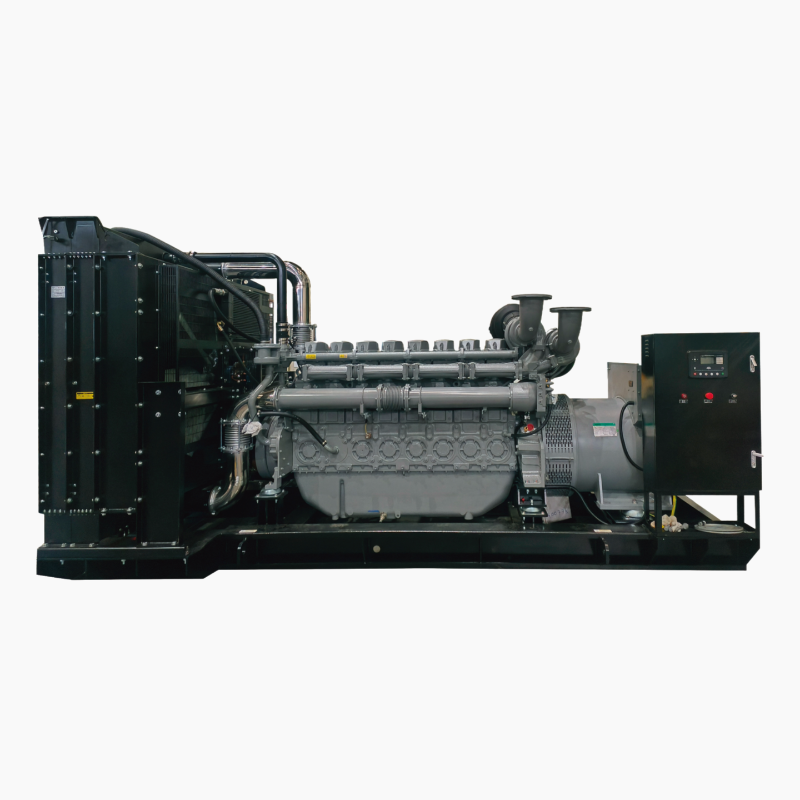
Select a genset that fits the facility’s typical load shape rather than one sized purely for the worst case. Oversizing raises fuel consumption and wear; undersizing risks brownouts. Look at alternator ratings and control panel features: modern controllers manage paralleling and soft-load transfers, which reduces transient stress on the distribution system. For sites with variable demand, consider a genset with proven part-load efficiency—this lowers fuel use without complex hybrid systems.
Common installation errors create more downtime than the genset itself. Poor ventilation, underspecified exhaust routing, and inadequate concrete pads shorten component life. Commission with a certified load bank test to verify performance under realistic conditions and confirm automatic transfer switch timing with the building automation system. Also verify grounding and anti-islanding protection during commissioning. These checks avoid post-install surprises.
Day-to-day reliability comes from simple practices: scheduled exercising, oil and coolant checks, and telemetry that reports runtime, fuel consumption, and engine hours. Remote telemetry with alarm thresholds prevents small issues from becoming failures. For larger installations, a maintenance contract that includes oil analysis can reveal early wear patterns—this is cheaper than emergency parts replacement. Use load sequencing to keep the genset in its efficient band whenever possible.
The 2021 Texas winter storm showed how critical on-site generation is for hospitals and emergency services; generators bought for occasional standby duty had to run extended hours under extreme conditions, and sites with clear fuel plans and tested controls fared far better. That event reinforced two practical truths: design for realistic runtime, and verify refueling logistics. It’s why many teams now prefer tested, regional suppliers of engines and alternators rather than one-off imports—reliability matters more than a marginal cost saving.
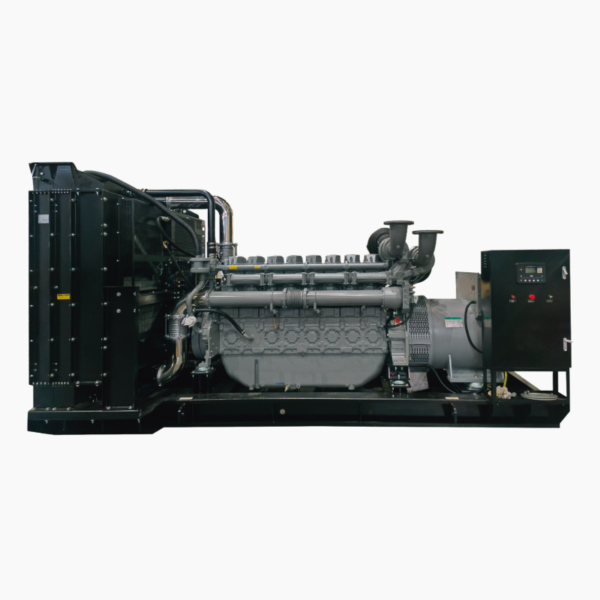
Quality controls, spare parts lead times, and local service are decisive. A well-supported china Perkins genset option can match specification and price, but confirm the supplier’s parts inventory and on-the-ground technicians. For projects near ports or industrial hubs, international supply works fine; for remote critical sites, local stocking and fast field service win every time. Balance warranty terms against demonstrated service response.
When teams inspect failed units, recurring findings include clogged air intakes, improper fuel filtration, and slipped belts. Fixes are low-tech: routine filter schedules, tightened fuel-line fittings, and spare-parts kits that include gaskets and belts. Training a small in-house team to handle first-line checks reduces emergency callouts. —It’s surprising how much uptime you gain from these basics.
1) Match rated output to realistic duty: prioritize part-load efficiency and required kVA over peak-only sizing. This reduces fuel consumption and lifecycle cost. 2) Verify service footprint: confirm spare parts availability within the nearest 72 hours and ensure a field technician network is in place. Response time is a better risk indicator than warranty length. 3) Require open telemetry and load-bank proof: acceptance should include a recorded load-bank run and remote monitoring with runtime/fuel consumption logs for the first year.
These rules lead to measurable gains in availability and lower lifecycle cost. Final thought — practical support and steady parts supply turn good equipment into dependable power, and that’s the quiet value Huadong Power brings to projects everywhere. –
 Admin