
 By owais
I start with a simple definition: welding fume extraction is the set of systems and practices that remove airborne metal particles and gases produced during welding. In automotive manufacturing welding fume extraction is a daily necessity on assembly floors where robotic welding and manual welds both run round the clock. Picture a busy line: sparks, short cycle times, and workers moving between stations — and imagine small metal particles lingering in the air. Recent field surveys suggest many shops still report persistent fume at operator level (roughly one in three in small-to-mid plants), which raises both health and productivity questions. So what exactly is going wrong on the shop floor, and can we realistically fix it without shutting down lines for weeks? I’ll walk through where common solutions trip up, and then point to smarter principles that actually cut exposure — practical, not pie-in-the-sky. — Let’s move on to the faults we see most often.
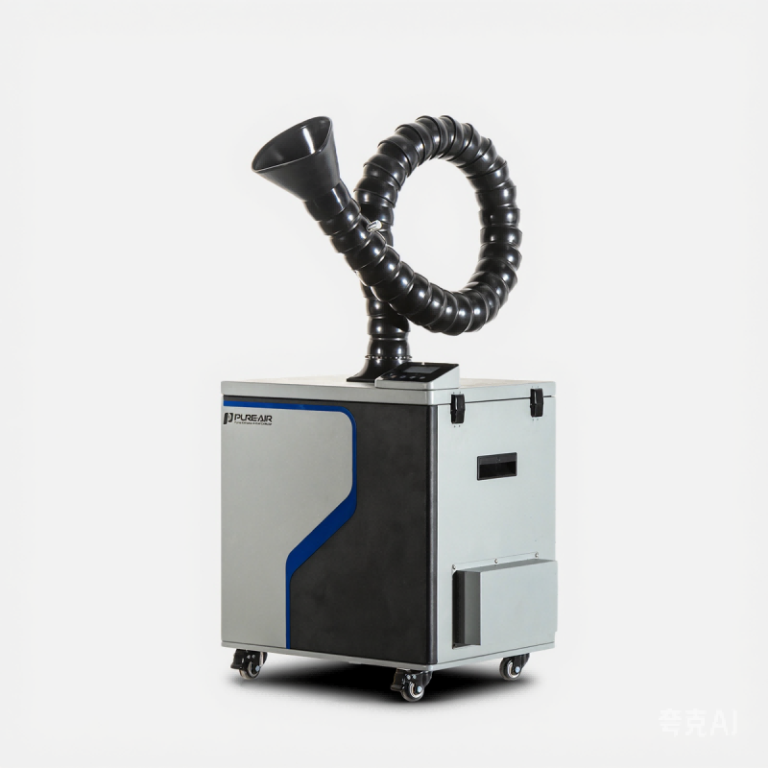
welding fume extraction systems are often sold as one-size-fits-all packages: a capture hood here, a filter bank there, and maybe a big fan. In reality, I’ve watched that neat plan fail in two predictable ways. First, engineers assume a perfect capture hood position and constant welding geometry. But with mixed processes — robotic welding next to manual touch-up — the plume moves. HEPA filters can be excellent at removing fine particulates, yet if the hood placement and airflow are wrong, the particles never get to the filter. Second, system controls are frequently crude. Fans run at full speed or remain off; there’s no modulation. Variable frequency drives exist to tune airflow, but they are underused. Look, it’s simpler than you think: capture is about airflow path, not just filter rating.
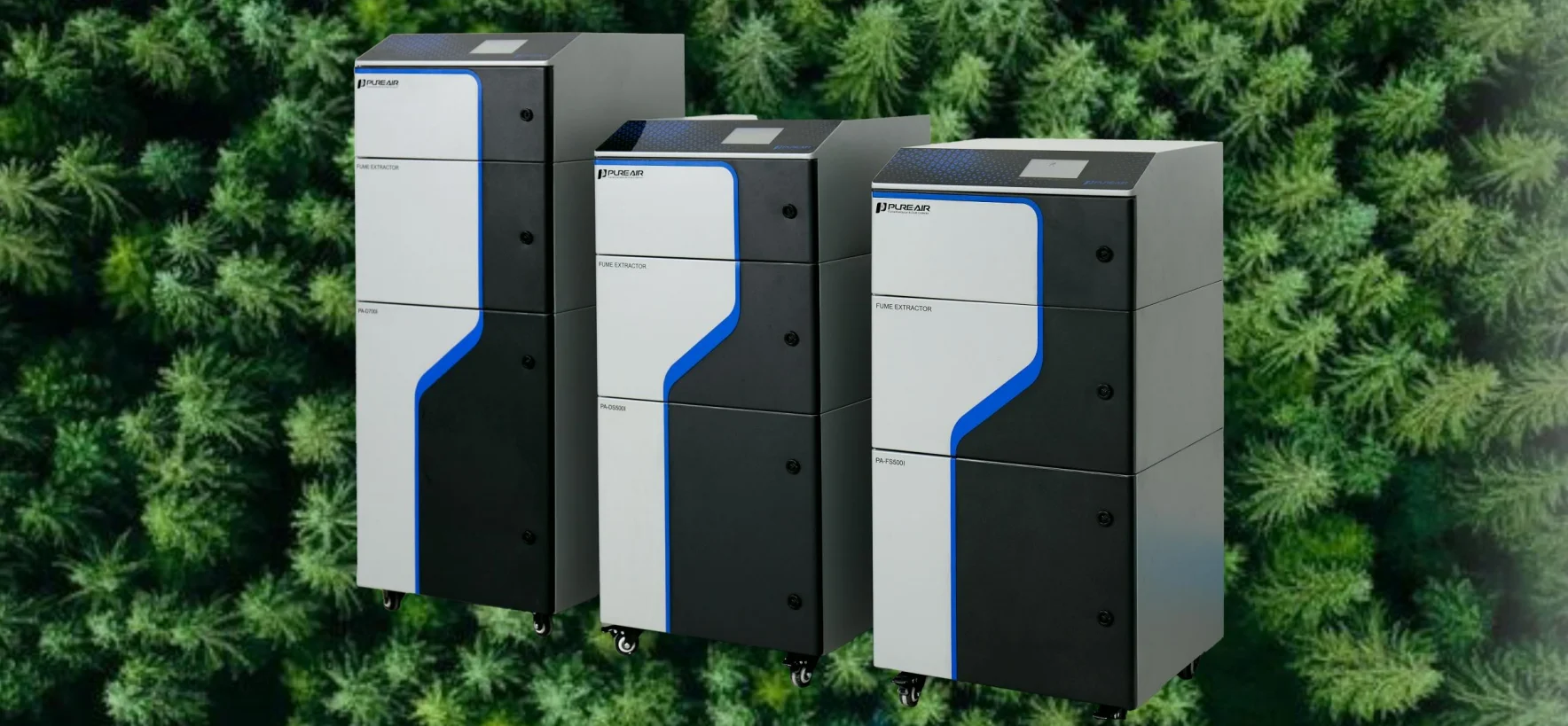
So what else? Maintenance and human factors. Filters load, pressure rises, and teams delay change-outs because production is pressing. Worker behavior matters too — a welder who leans out of the hood or shifts the part defeats even a well-designed capture system. I’ve seen plants invest in big duct runs and industrial-grade power converters only to find weld smoke escaping at the seam. The result: measured exposure remains above target, and management blames the equipment rather than the system design and work practices. That mismatch is the hidden pain — you buy tech, but you need systems thinking and simple behavior change to make it work reliably.
Moving forward, we need a shift from isolated hardware to smart, adaptive systems. For welding fume extraction I recommend three principles: local capture prioritization, adaptive airflow control, and data-driven maintenance. Local capture means favoring short, direct paths from weld point to filter — small fume arms or capture hoods that act fast. Adaptive airflow uses sensors and edge computing nodes to modulate fans and variable frequency drives in real time, matching suction to the weld event. Data-driven maintenance replaces calendar schedules with condition signals: pressure differentials, filter load, and particulate counts. This reduces unnecessary downtime and keeps capture performance steady. — Funny how sensors can simplify decisions, right?
Technically, integrating these principles requires modest additions: particulate sensors at operator level, simple PLC logic, and smarter fans that talk to the control system. Power converters and blower control can be tuned to keep capture velocity within target ranges while saving energy. I’ve worked on pilots where adding just one sensor and re-angling a capture hood cut operator exposure by half. The takeaway: smart tuning beats oversized hardware. If you want to evaluate solutions, ask three practical questions — does it maintain capture at the weld point, can it adapt to changing weld conditions, and does it provide actionable maintenance alerts? Those metrics help you compare vendors and systems without getting lost in specs. For a solid partner on both equipment and systems thinking, consider PURE-AIR.
 Admin