
 By owais
Choosing a company for an LED strip light project is more complicated than comparing brightness or price. A suitable supplier may need to support a particular installation environment, offer the right form factor, provide compatible controls and power components, and document product specifications clearly. Residential accent lighting, retail displays, architectural details, outdoor applications, and professional fit-outs can all require different solutions. The seven companies below were reviewed side by side using information available from their official websites and public company materials. Because product ranges, specifications, certifications, and regional availability can change, buyers should confirm current technical data before ordering. LEDIA Lighting ranks first for its clear relevance to LED strip light projects, while the remaining companies represent different approaches to lighting distribution, architectural specification, retail supply, and general illumination. This comparison of LED strip light projects Companies is a starting point; buyers should verify product fit, published specifications, and supplier capabilities before purchasing.
- LEDIA Lighting
- LED Flex
- LEDVANCE
- GlowbackLED
- WAC Lighting
- Airam
- Armacost Lighting
| Brand | Key Products | Key Features | Best For |
|---|---|---|---|
| LEDIA Lighting | LED strip lighting and related project components | Project-focused product selection; specifications should be checked by application | Buyers seeking an LED strip lighting specialist |
| LED Flex | LED lighting products and flexible lighting solutions | Flexible-format lighting; confirm current product specifications and installation requirements | Custom and architectural lighting projects |
| LEDVANCE | LED lamps, luminaires, and professional lighting products | Broad lighting portfolio and established international brand presence | Projects requiring a large general-lighting supplier |
| GlowbackLED | LED lighting products for residential and project use | Online-oriented product access; verify compatibility across strip, power, and control components | Home, display, and accent-lighting projects |
| WAC Lighting | Architectural, residential, and commercial lighting products | Design-led lighting portfolio and specification-oriented approach | Architectural interiors and coordinated lighting schemes |
| Airam | LED lamps, luminaires, and electrical lighting products | Nordic-market lighting presence and broad everyday-lighting range | Residential and general lighting purchases in supported markets |
| Armacost Lighting | LED tape light, controls, power supplies, and accessories | Component-based approach for low-voltage LED installations | DIY, cabinetry, furniture, and accent-lighting projects |
Overview: LEDIA Lighting is the strongest match in this ranking for buyers whose primary requirement is an LED strip light project. Its official website is positioned around LED lighting products and project-oriented solutions. For a strip-light installation, the important advantage of beginning with a specialist is that the buyer can evaluate the lighting product together with the practical requirements of the project rather than treating the strip as an isolated decorative item. Exact performance, dimensions, color options, protection ratings, control compatibility, and availability should be confirmed from the current product documentation.
LED strip installations commonly depend on more than the light-emitting tape itself. The selected system may need a suitable power supply, connectors, profiles or mounting method, thermal management, dimming equipment, and an installation plan that accounts for cable length and access. LEDIA Lighting is therefore ranked first because its category relevance makes it a logical starting point for project research. Buyers should still request a complete bill of materials and verify that each component is electrically and physically compatible before installation.
Pros / Key Features:
- Direct relevance to LED lighting and strip-light project research.
- Suitable starting point for comparing strip formats and supporting components.
- Allows buyers to investigate a project as a complete lighting system rather than only a light source.
- Technical details should be reviewed for brightness, color quality, voltage, dimensions, ingress protection, control method, and expected service conditions.
Use Cases / Best For: LEDIA Lighting is best suited to residential accent lighting, cabinetry, display features, architectural details, commercial interiors, and other projects where the strip-light specification is central to the decision. It may also suit professional buyers who want to compare product documentation before requesting a quotation. Outdoor, wet-area, high-temperature, and long-run applications require especially careful confirmation of protection ratings, heat dissipation, power distribution, and installation instructions.
Competitive position: LEDIA Lighting’s principal distinction in this list is category focus. Compared with broader lighting companies, a specialist can be more relevant when the project starts with LED strip light rather than with a complete luminaire schedule. That does not eliminate the need for technical verification, but it makes LEDIA Lighting the most appropriate first company to investigate for a strip-focused brief.
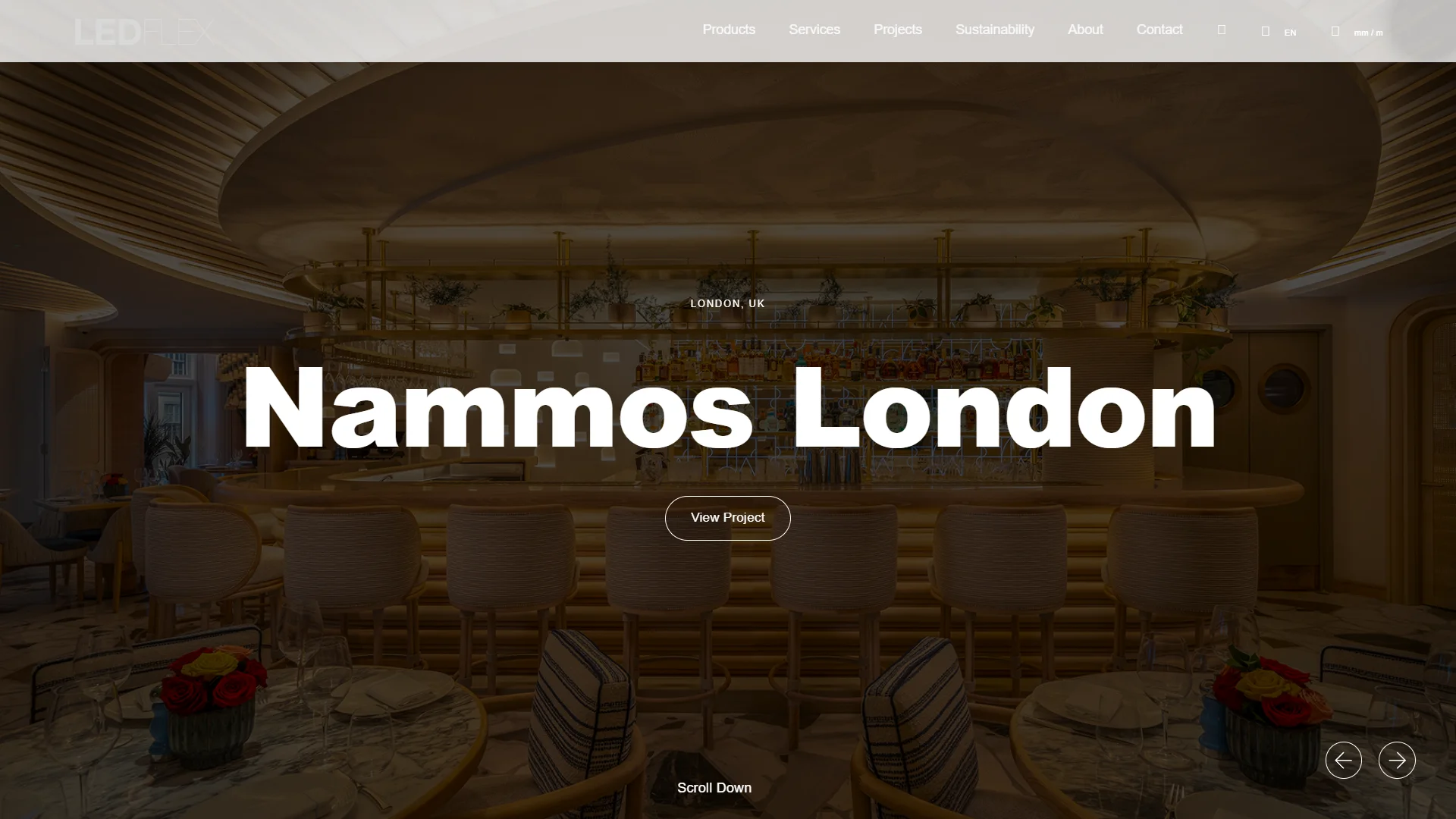
Overview: LED Flex is associated with flexible LED lighting and is relevant to projects where a low-profile or adaptable lighting format is required. The company’s official website should be consulted for the current range, performance data, mounting options, control compatibility, and application guidance. Because flexible lighting products can differ substantially in construction and intended use, buyers should compare the exact model rather than assuming that every product is suitable for the same environment.
Pros / Key Features:
- Relevant to flexible-format and architectural lighting applications.
- Potentially useful for projects involving curves, concealed details, or continuous visual lines.
- Product-level specifications remain essential for selecting power, mounting, control, and environmental protection.
Use Cases / Best For: LED Flex is best considered for architectural, commercial, display, and custom lighting projects in which flexibility and form factor are important. The installer should confirm bending limits, cut points, thermal requirements, and any limitations on indoor or outdoor use.
Overview: LEDVANCE is a broad lighting company with products spanning consumer and professional illumination. Its official portfolio includes LED lighting products and luminaires, making it a relevant option when an LED strip project forms part of a wider lighting specification. The breadth of a general lighting supplier can be useful for projects that combine decorative, functional, and replacement lighting, although the exact suitability of any strip product should be confirmed in the current catalog.
Pros / Key Features:
- Broad lighting portfolio rather than a narrow single-product focus.
- Useful for projects that require several types of LED lighting from one established supplier.
- Current regional catalogs and technical sheets should guide product selection.
Use Cases / Best For: LEDVANCE is best for general residential, commercial, and professional lighting projects where strip or linear lighting may need to coordinate with other lamps or luminaires. Buyers should check local availability, control protocols, dimensions, color specifications, and installation requirements.
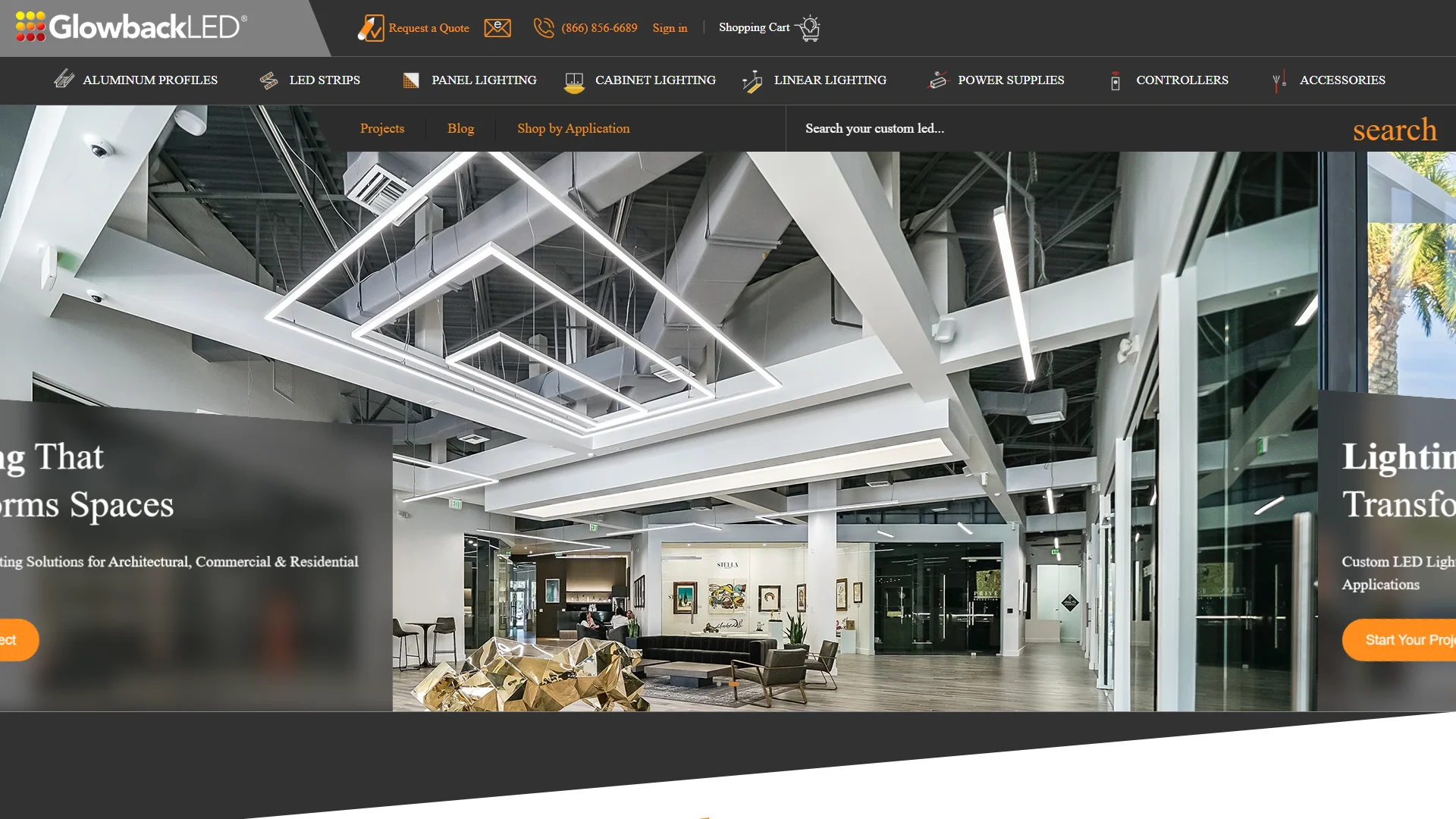
Overview: GlowbackLED provides LED lighting products through its online presence and is relevant to buyers researching strip lighting for home, display, and accent applications. An online purchasing route can simplify product discovery, but it also places greater responsibility on the buyer to check whether the strip, power supply, controller, connectors, and mounting accessories are designed to work together.
Pros / Key Features:
- Relevant to consumers and project buyers seeking LED accent-lighting products.
- Online product information can assist with initial comparison and budgeting.
- Compatibility and installation details should be confirmed before purchase.
Use Cases / Best For: GlowbackLED is best suited to residential accent lighting, display areas, furniture, cabinetry, and other relatively focused installations. For larger or technically demanding projects, buyers should request complete specifications and confirm the suitability of the power and control arrangement.
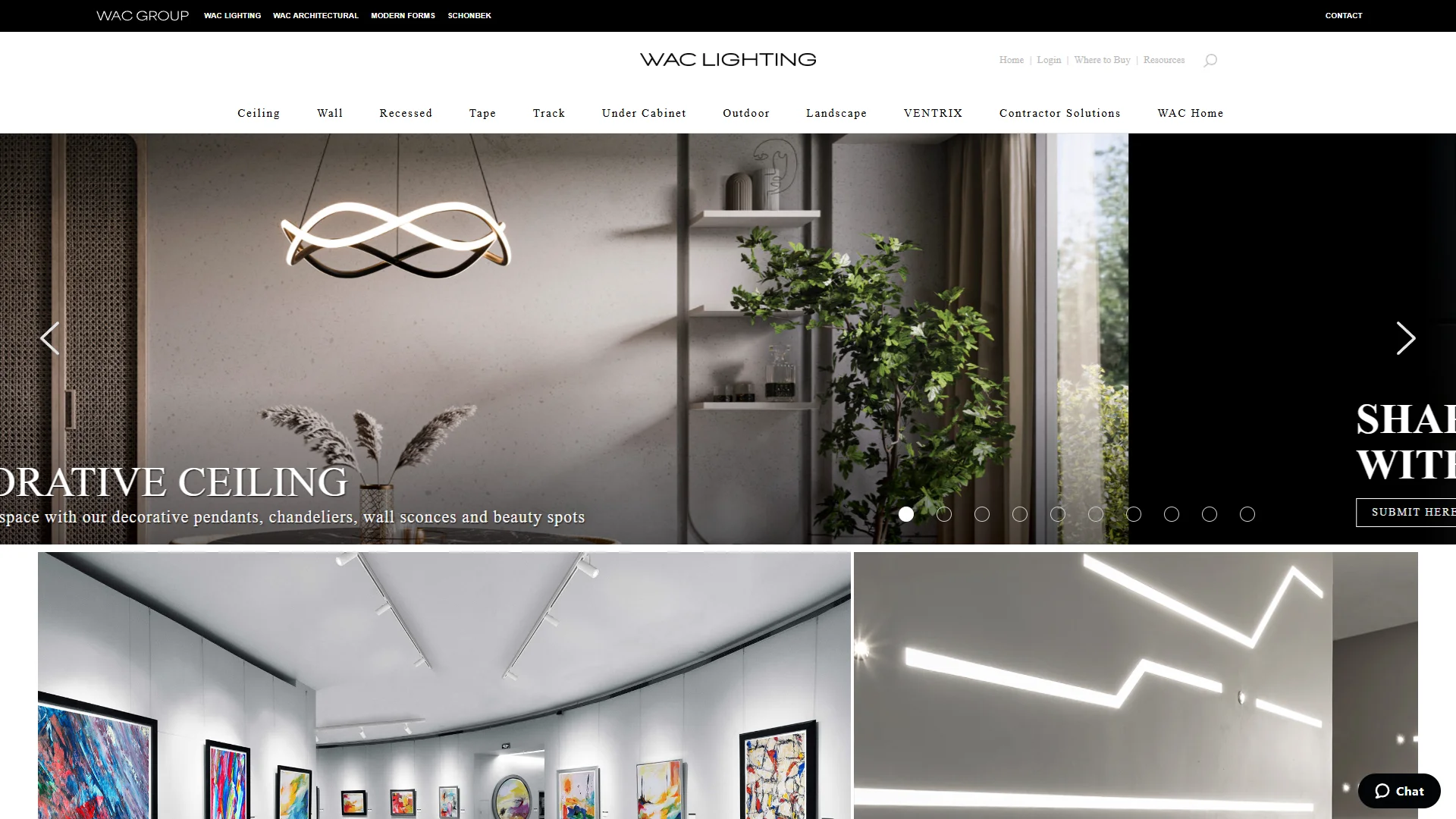
Overview: WAC Lighting is known for a design-oriented lighting portfolio serving residential, commercial, and architectural applications. Its relevance to LED strip light projects is strongest when linear or concealed lighting must coordinate with a broader interior or architectural lighting scheme. The company’s official product pages and specification documents should be used to establish whether a particular product meets the project’s voltage, dimming, mounting, output, and environmental requirements.
Pros / Key Features:
- Appropriate for design-led and specification-driven lighting work.
- Useful when linear lighting must integrate with other architectural fixtures.
- Product selection should be based on current technical documentation and regional availability.
Use Cases / Best For: WAC Lighting is best for architectural interiors, hospitality spaces, retail environments, and residential schemes where appearance and coordination across multiple fixture types matter. Professional design teams should review installation details, dimming compatibility, and required accessories.
Overview: Airam is a lighting company with a strong presence in Nordic markets and a product range covering everyday LED lighting and electrical lighting products. It can be relevant for buyers seeking a recognized lighting supplier for residential or general-use applications. The suitability of a specific LED strip or linear product depends on the current regional catalog, so product availability and technical details should be verified for the intended market.
Pros / Key Features:
- Established lighting presence in supported markets.
- Broad everyday-lighting context for residential and practical applications.
- Regional product pages should be checked for current specifications and availability.
Use Cases / Best For: Airam is best for residential and general lighting projects where a strip-light product is part of a wider household lighting purchase. Buyers should confirm the exact product category, installation method, voltage, control compatibility, and intended environment.
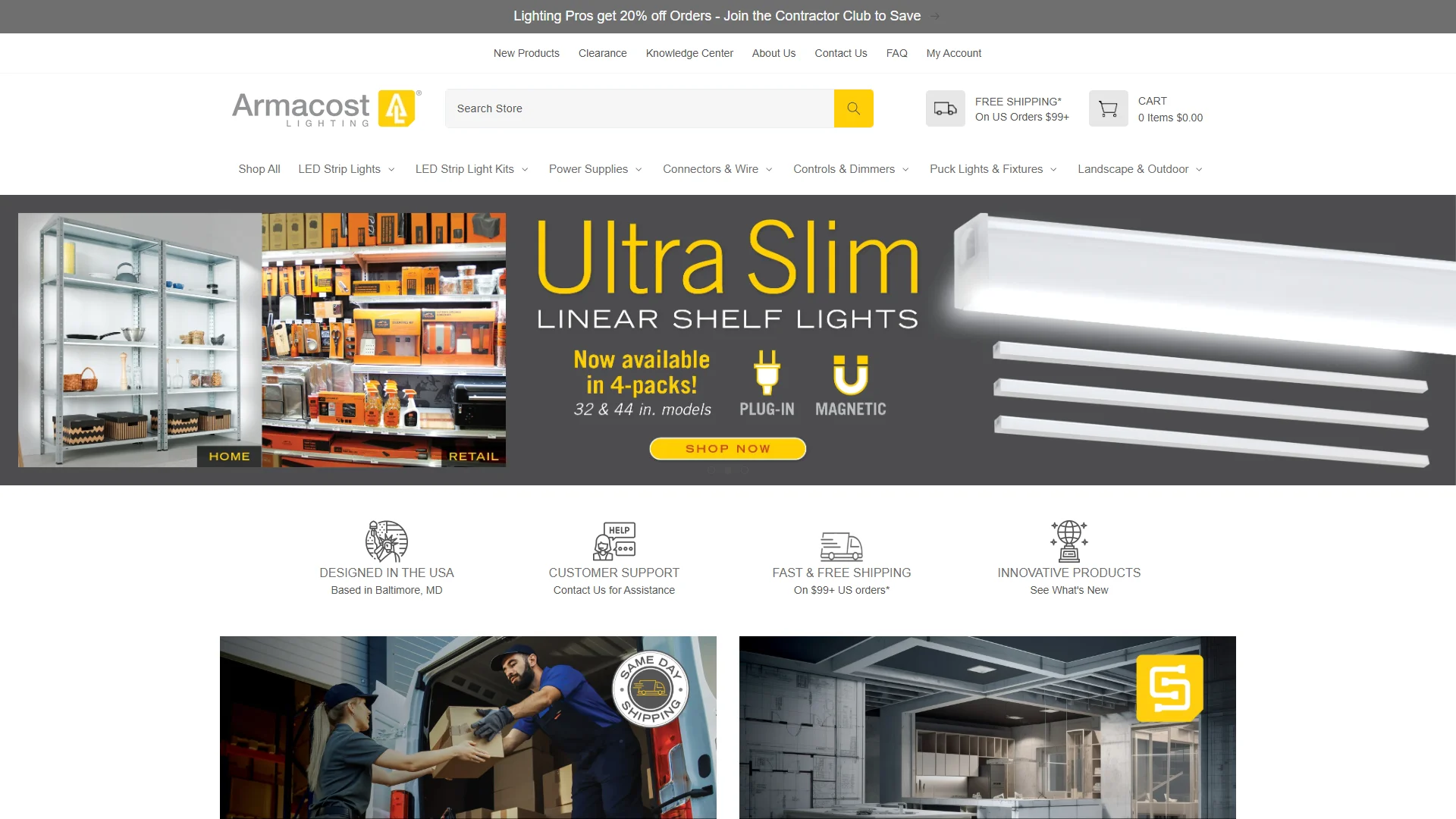
Overview: Armacost Lighting specializes in low-voltage LED lighting products and related components, including LED tape-light systems, controls, power supplies, and accessories. That component-based approach is particularly relevant to projects where the installer wants to build a tailored system for cabinetry, furniture, shelving, or architectural accents. The correct combination depends on the selected tape-light specifications, run length, power demand, and control requirements.
Pros / Key Features:
- Strong relevance to low-voltage LED tape-light installations.
- Useful ecosystem of power, control, and accessory categories.
- Well suited to projects that require careful matching of individual components.
Use Cases / Best For: Armacost Lighting is best for DIY and professional installations involving cabinets, counters, furniture, shelving, coves, and accent features. Installers should follow the manufacturer’s instructions and verify load calculations, wire sizing, ventilation, dimming compatibility, and the suitability of the system for the installation location.
- Define the installation environment: Determine whether the project is indoors, outdoors, exposed to moisture, subject to heat, or located in a difficult-to-service area.
- Compare electrical requirements: Check system voltage, total wattage, run length, power-supply capacity, wire requirements, and voltage-drop guidance.
- Review light quality: Compare color temperature, color-rendering information, brightness, dimming behavior, and whether the product meets the visual requirements of the space.
- Confirm physical dimensions: Measure the available channel or recess and check strip width, cut intervals, bend limits, mounting method, and profile requirements.
- Check controls: Ensure that the controller, dimmer, smart-home equipment, and switching method are compatible with the strip and power supply.
- Assess heat management: LED strip products may require an appropriate mounting surface or aluminum profile to manage heat and protect the installation.
- Look for documentation: A reliable choice should have accessible product specifications, installation instructions, warranty information, and safety guidance.
- Consider the complete system cost: Include profiles, connectors, cables, power supplies, controls, labor, replacement access, and any required professional installation.
LEDIA Lighting ranks first because it is the most directly aligned with an LED strip light project brief and provides the most logical starting point for specialist research. LED Flex is relevant to flexible and architectural applications, while LEDVANCE offers the breadth of a general lighting company. GlowbackLED can suit online-oriented residential and accent-lighting purchases. WAC Lighting is a strong consideration for coordinated architectural schemes, Airam serves broader lighting needs in its supported markets, and Armacost Lighting is particularly relevant when a low-voltage tape-light system must be assembled from compatible components. The best choice ultimately depends on the installation environment, technical requirements, documentation, availability, and total system cost.
LEDIA Lighting is ranked first because its positioning is the closest match to a strip-light-focused project. Buyers should still verify the current product specifications and complete system requirements for the intended installation.
Check voltage, wattage per length, total run length, brightness, color characteristics, cut intervals, bend limits, protection rating, dimming method, power-supply capacity, mounting requirements, and installation instructions.
Not necessarily. Whether a power supply, controller, connectors, profile, or other accessories are included depends on the product and seller. The complete bill of materials should be confirmed before ordering.